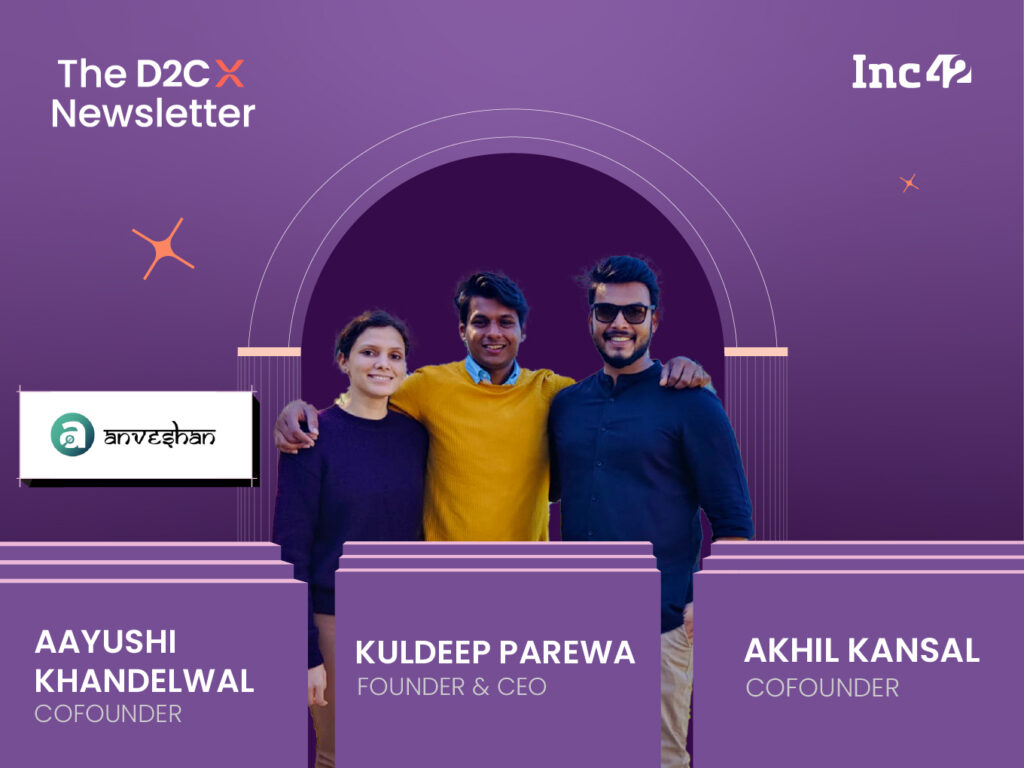
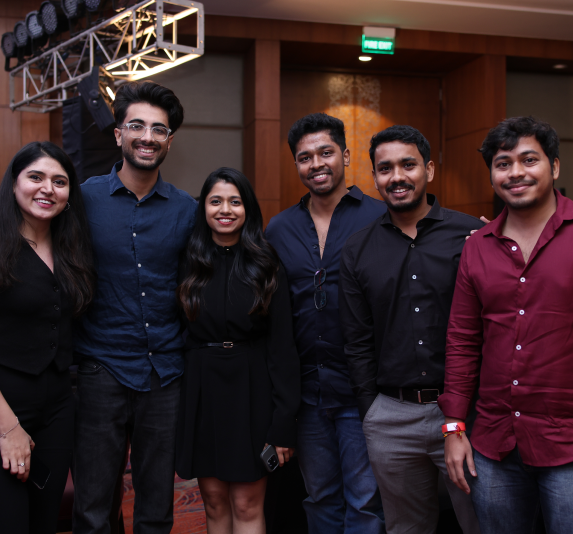
Everyone talks about founder grit. But few embody it like the Anveshan trio.
When Aayushi Khandelwal turned to her nani’s Ayurvedic recipes to battle personal health issues, something clicked.
The food felt… different. Better.
She, along with her IIT Guwahati batchmates—Kuldeep Parewa and Akhil Kansal—dug deeper.
The discovery?
Most “organic” food on Indian shelves was all buzz, no backbone.
Adulteration, middlemen, fake claims—consumers had lost trust.
And farmers? They were getting crushed in the chaos.
So the trio did something madly ambitious. They went from IIT grads to village processors. Set up micro-units near farms. Built Anveshan, a full-stack, farm-to-fork food company powered by tech, trust, and traceability.
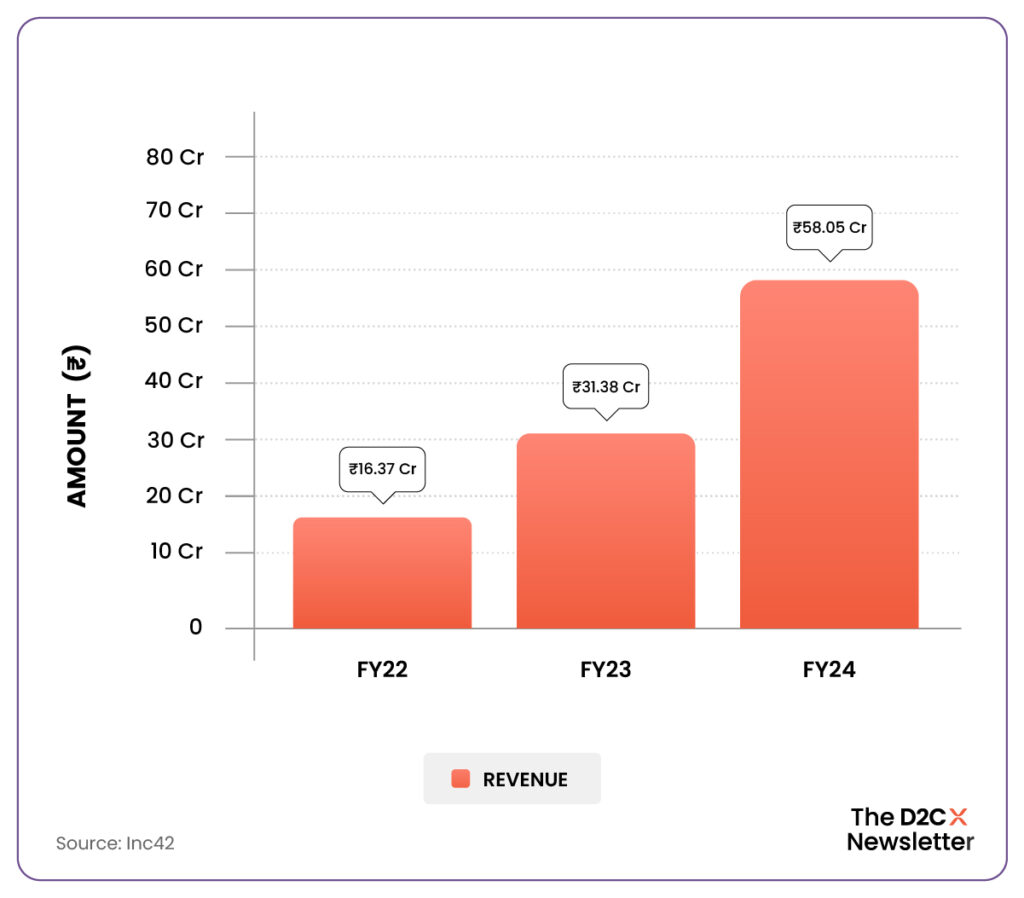
📈 ₹58.05 Cr in FY24 revenue
🚀 72% projected revenue growth this year
📦 5,000+ farmers directly integrated into the supply chain
🛒 80% growth in quick commerce sales YoY
💡 A laser focus on website-led D2C scale
But what’s truly powering their leap is not just product or purpose. It’s a single overlooked feature on their website – Site Search.
Let’s decode the quiet conversion engine that turned Anveshan’s D2C store into a buying machine.
Search Me If You Can
Let’s be honest. Most ecommerce sites treat the search bar as a checkbox.
Not Anveshan.
Their D2C store sees high intent traffic—consumers looking for ghee that reminds them of childhood, or honey that tastes like authenticity.
But until late, even with this traffic, their conversion rates weren’t matching up.
People were getting lost.
They came with specific needs—“low cholesterol oil,” “tulsi honey,” “wood pressed coconut oil”—but the website couldn’t keep up. The search results threw up irrelevant SKUs.
Discovery was broken. And buyers bounced.
Even worse, the brand had no way to nudge high-margin or fast-selling products through search. All they could do was watch the data bleed.
So they did what sharp D2C operators do. They got obsessive about the funnel! They went on to optimise their search nav. The goal was to offer
📌 Personalised, contextual product discovery
📌 Business-aligned merchandising via search rankings
📌 Real-time recommendations inside the search bar
📌 Intent-led journeys that reduce drop-off
And when they did, they started scaling aggressively!
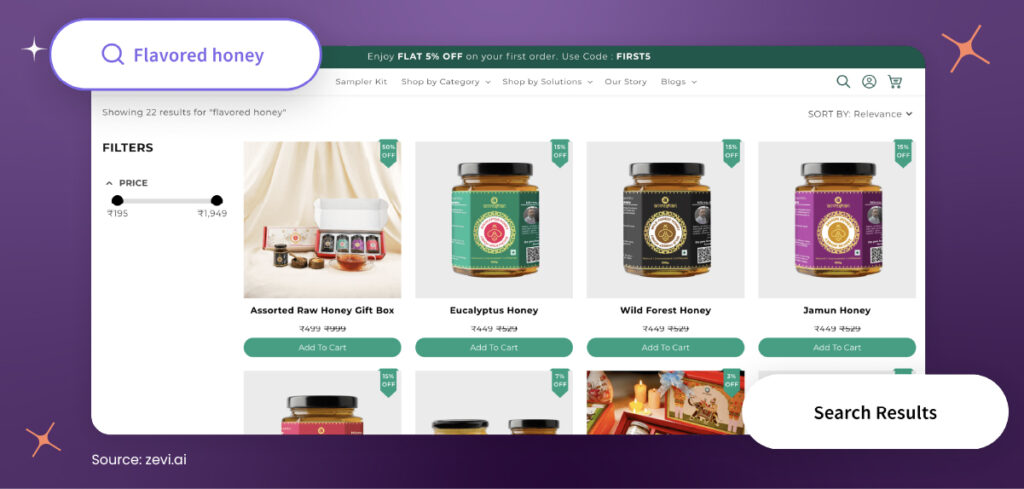
🧠 When a user searches for “cholesterol oil,” the engine knows it isn’t a product—it’s a health concern. So it shows oils with heart-healthy properties.
🍯 When someone types “sweet honey,” they don’t see all 15 honeys—just the 3 that match that taste profile. The ones people gift. The ones that convert.
🎯 When a user is just browsing, Anveshan now drops its bestsellers and new launches inside the search bar itself, nudging clickthroughs and increasing AOV.
The payoff?
📈 19% jump in overall website conversion rate
🕵️♂️ 513% increase in users leveraging site search
⏱ 4.6% increase in time spent per session
Beyond Search. Inside Experience.
But what made the impact sticky wasn’t just the search upgrade. It was what followed after.
Let’s say a user searched for “ginger-infused honey” and clicked through.
Earlier, they’d get a generic PDP. No context. No reassurance. No support.
Today?
They get nudged with related products (“Good with sore throat!”), see transparent lab test reports, trace the product’s farm source with a QR code, and—if they’re still unsure—get contextual support instantly.
No pop-ups. No dead-end chatbots.
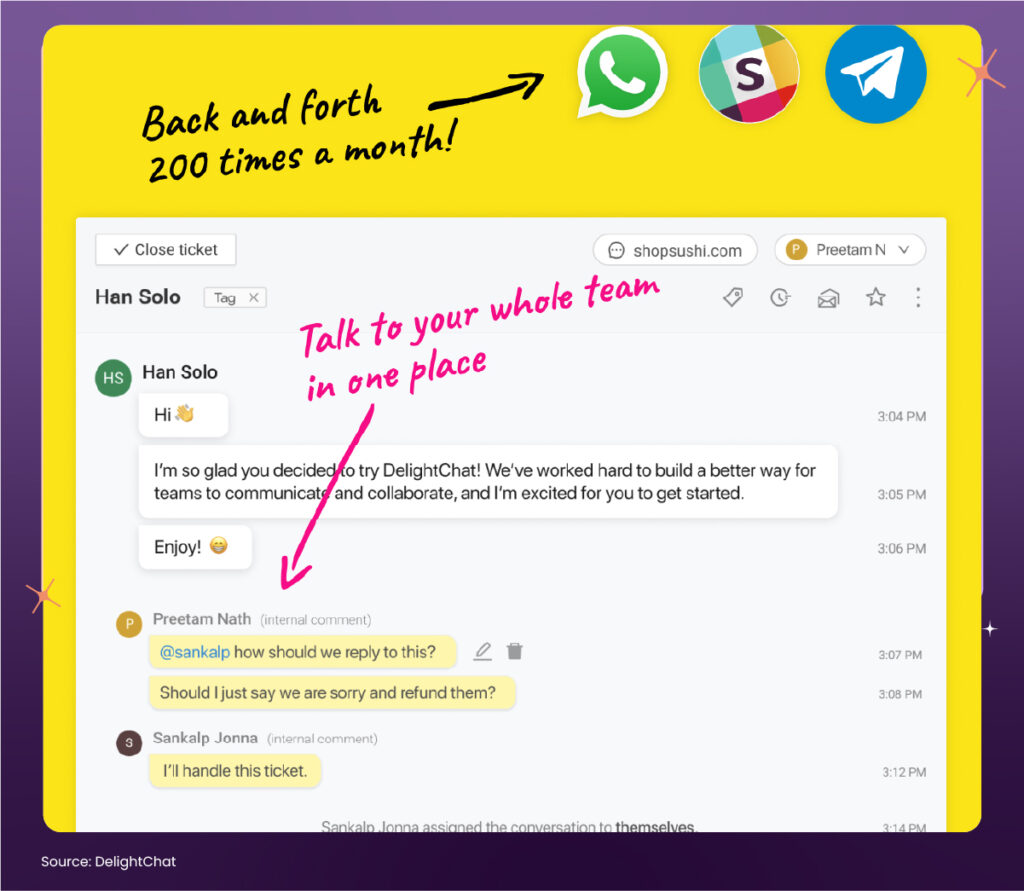
The moment a WhatsApp or email query pops in, support agents get instant context from Shopify.
No tab-switching. No asking for order IDs. Just fast, helpful replies.
Their small CX team handles 2,400+ tickets a month across WhatsApp, email, Facebook, and Insta—with response times that match brands 5X their size.
The Conversion Flywheel
Most founders obsess over traffic. Anveshan obsesses over what traffic does once it lands.
The founders noticed that highest-intent customers don’t come from ads. They come from search.
Whether that’s Google search or your own site search, these users already know what they want.
The only job is to help them find it—and nudge them faster to check out.
But here’s the kicker.
Good search doesn’t just boost conversion.
It boosts retention.
Because every time a user finds exactly what they wanted, you’ve just taught them to come back.
Again. And again.





.svg)
.svg)


